The Voice in the Night
Author

Born in Essex, England, to a large family, Hodgson ran away from boarding school at age 13 to become a sailor. Though he was initially returned home, he eventually gained his father’s permission to apprentice in the merchant navy. The harsh conditions and bullying he faced at sea drove him to a rigorous physical training regimen, and he became a renowned bodybuilder.
During his years at sea, he also developed a keen interest in photography, documenting life aboard ships and natural phenomena like typhoons and sharks. He was awarded a medal by the Royal Humane Society for saving a fellow sailor in shark-infested waters.
After retiring from the sea, he opened a school of physical culture, but it failed to be profitable. He turned to writing, drawing heavily on his maritime experiences to craft atmospheric horror and weird fiction. His works, including The Boats of the “Glen Carrig” (1907), The House on the Borderland (1908), The Ghost Pirates (1909), and The Night Land (1912), often featured cosmic horror themes and the terrifying unknown of the ocean. He also created the occult detective Thomas Carnacki.
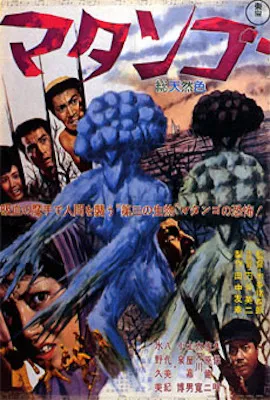
Despite never achieving financial stability, his work was highly influential, notably praised by H.P. Lovecraft for its power to evoke “cosmic terror.” His short story The Voice in the Night has been adapted multiple times, including for the Japanese film Matango (1963).
He married in 1913 and moved to the south of France, but returned to England to enlist when World War I broke out. Despite being 40 years old and previously injured, he insisted on returning to the front lines. He was killed by an artillery shell at the Fourth Battle of Ypres in April 1918.