Katô Daisuke

Bio
Katô Daisuke (born Katô Tokunosuke) was one of the most beloved and prolific character actors in Japanese film history. Born into a distinguished theatrical family in Tokyo's Asakusa district, his elder brother was the kabuki actor Sawamura Kunitarô, and his elder sister was the actress Sawamura Sadako. He initially followed in the family tradition, joining the Zenshinza Theatre Company in 1933 and performing under the name Ichikawa Enji.
During World War II, Katô was drafted and sent to the front lines in New Guinea. Amidst the harsh conditions, he organized theatrical performances to boost the morale of his fellow soldiers. These experiences became the basis for his 1961 memoir Snow in the South Seas (Minami no shima ni yuki ga furu), which was subsequently adapted into both a television drama and a film (in which Katô played himself).
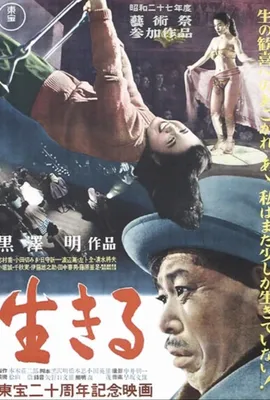
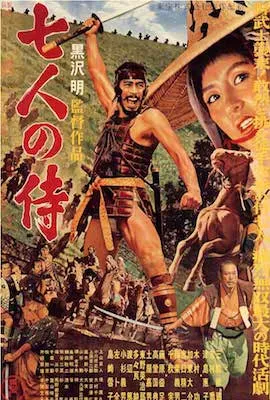
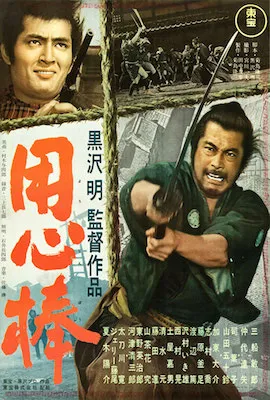
After the war, Katô joined Daiei Studios and adopted the name Katô Daisuke. He soon caught the eye of director Kurosawa Akira, who cast him as the bailiff in Rashomon (1950) and later as the loyal Shichirôji in Seven Samurai (1954). He became a regular in Kurosawa's stock company, appearing in films like Ikiru (1952) and Yojimbo (1961).
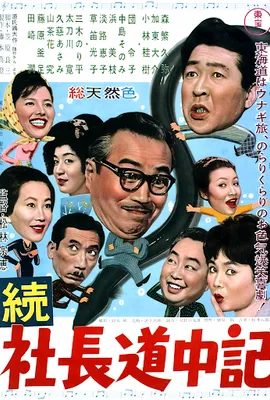
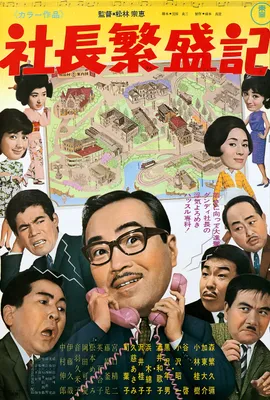
Moving to Toho in 1951, Katô found immense popularity in the comedy genre. His cherubic face and warm demeanor made him perfect for the role of the loyal, well-meaning subordinate in the long-running "Company President" (Shachō) series, where he starred alongside Morishige Hisaya and Kobayashi Keiju. He won Blue Ribbon Awards for Best Supporting Actor for Mother (1952) and Bloody Spear at Mount Fuji (1955).
Katô continued acting well into his 60s. He died of colon cancer in 1975, becoming the first of the Seven Samurai cast to pass away. His son, Katô Haruyuki, was briefly married to Kurosawa's daughter, Kazuko.
Accolades
Selected Works