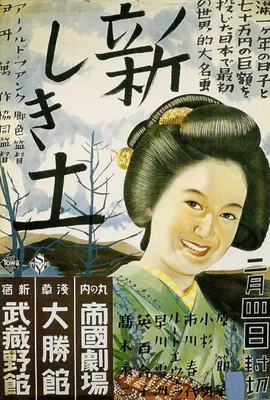
The Daughter of the Samurai
Yamato Mitsuko
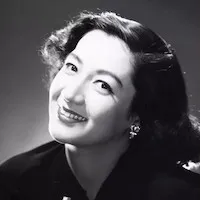
Often called the “Eternal Virgin” of Japanese cinema, Hara Setsuko is most famously associated with the films of Ozu Yasujirō and her portrayals of the ideal modern Japanese woman.
Born Aida Masae in Yokohama, she dropped out of school at age 14 to support her family during the depression, joining Nikkatsu studios in 1935. Her breakthrough came with the German-Japanese co-production The Daughter of the Samurai (1937), directed by Arnold Fanck and Itami Mansaku. The role launched her to stardom and included a promotional tour of Europe where she met key figures of the era.
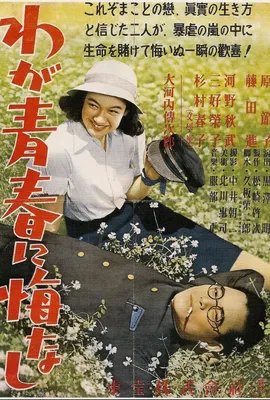
During the war years, she appeared in a number of propaganda films, but her career truly flourished in the post-war era. She starred in Kurosawa Akira’s No Regrets for Our Youth (1946), playing a politically awakened woman, a role that established her as a symbol of the new democratic era in Japan.
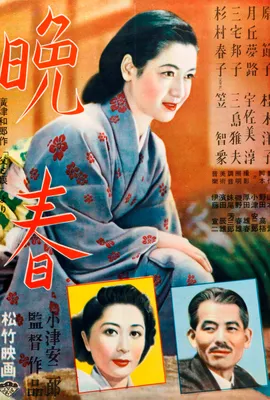
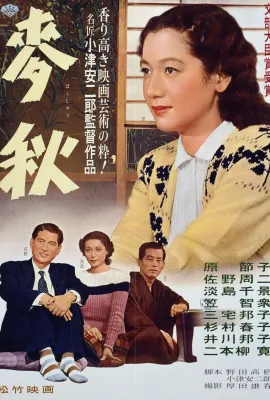
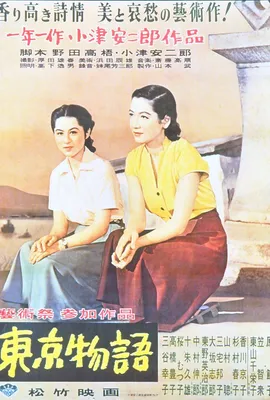
However, it is her collaboration with Ozu Yasujirō that defines her legacy. In films like Late Spring (1949), Early Summer (1951), and Tokyo Story (1953)—often referred to as the “Noriko Trilogy”—she crafted nuanced performances of filial devotion and quiet resilience. Her acting style, characterized by a subtle, enigmatic smile and emotional restraint, perfectly complemented Ozu’s directorial vision. She also worked extensively with other master directors like Naruse Mikio.
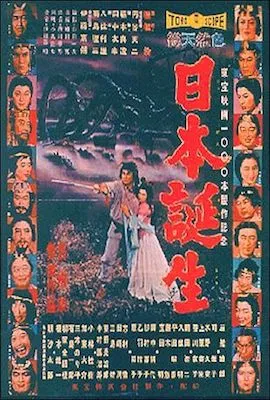
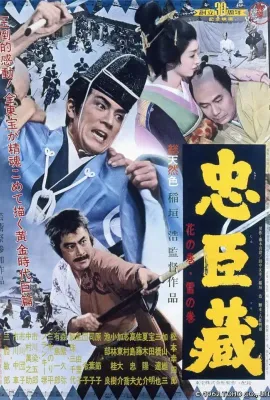
In 1963, shortly after Ozu’s death and following her role in Inagaki Hiroshi’s Chushingura (1962), she shocked the public by announcing her retirement at the height of her fame. She withdrew completely from the public eye, living in seclusion in Kamakura for over 50 years until her death in 2015, never marrying and refusing all interviews, earning comparisons to Greta Garbo.