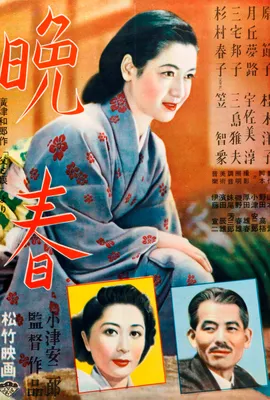
Late Spring
Taguchi Masa
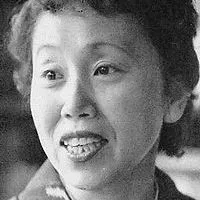
Sugimura Haruko was an incredibly prestigious Japanese stage and film actress, widely recognized as one of the nation’s most accomplished and decorated dramatic theatrical performers of the 20th century.
Sugimura endured a highly troubled childhood; she was the daughter of an illegitimate union, was orphaned at an early age, and struggled immensely to succeed in her initially chosen career of music. Fortunately, after much practice, she secured a position as an organist in the small Tsukiji Little Theater. After the theater disbanded, Sugimura transitioned to acting and co-founded the Bungakuza theater company in 1937. She quickly rose through the ranks to become the top actress in the company. She starred in several massively acclaimed, long-running theatrical shows with the company, her most famous being the lead role of Kei in One Woman’s Life, which she staged nearly 1000 times throughout her career.
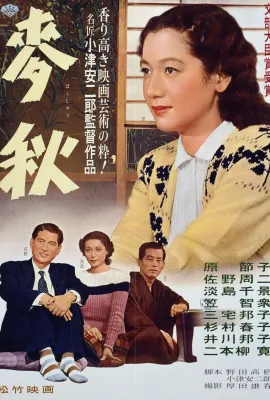
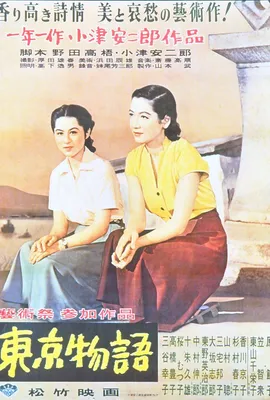
Beginning in 1937, Sugimura also aggressively pursued cinematic acting, becoming a favorite of visionary directors Ozu Yasujirô, Kurosawa Akira, Naruse Mikio, and Shindô Kaneto. She is globally recognized for her nuanced performances in Ozu’s cinematic masterpieces Late Spring (1949), Early Summer (1951), and Tokyo Story (1953).
By 1963, growing internal discontent with Sugimura’s dominant reign over the Bungakuza company, coupled with a controversial ideological incident regarding the cancellation of the play The Joy of Koto, prompted several high-profile members of the company to deliberately split and form competing theater troupes. Nonetheless, Sugimura rebounded after the rift with a triumphant 1967 restaging of One Woman’s Life.
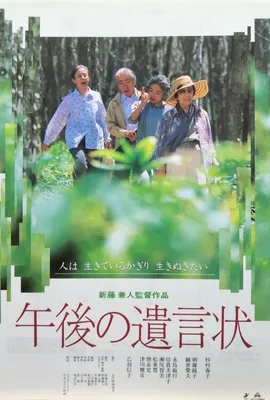
Her final film role was in Shindô Kaneto’s A Last Note (1995), which went on to win the Japanese Academy Prize for Best Picture. Sugimura passed away from pancreatic cancer in 1997 at the age of ninety-one.