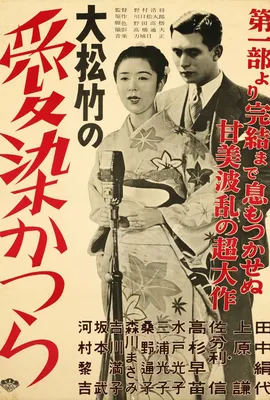
The Tree of Love
Takaishi Katsue
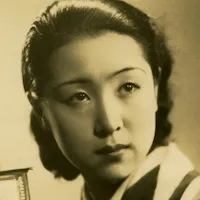
Tanaka Kinuyo was a pioneering Japanese actress and film director, holding a legacy as one of the most significant figures in the history of Japanese cinema.
Born in Yamaguchi, Tanaka endured a difficult childhood. Her father passed away when she was three, her family’s business went bankrupt, her brother died of pneumonia, and she survived a severe bout of measles. Despite these hardships, she learned to play the traditional biwa and joined a school opera company at age eleven. When the company disbanded three years later, her mother was persuaded to let Tanaka pursue acting.
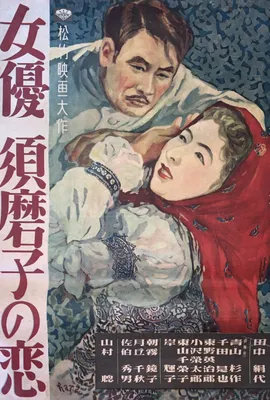
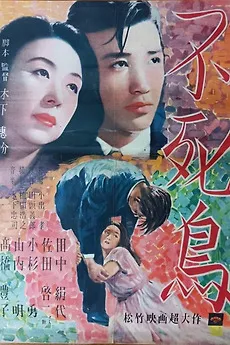
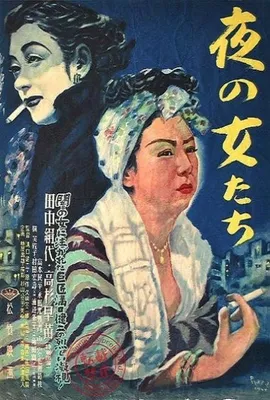
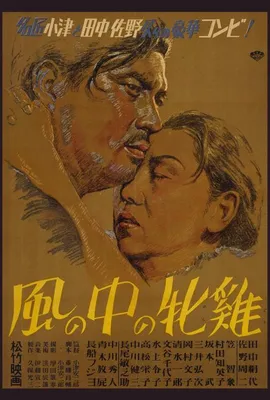
Tanaka became a celebrity as early as sixteen years old. She featured in Gosho Heinosuke’s An Embarrassing Dream (1927) and starred in Gosho’s The Neighbor’s Wife and Mine (1931), Japan’s first talking picture. She later headlined The Tree of Love (1938) alongside Uehara Ken; the film became Japan’s highest-grossing film of the pre-war era, spawning multiple sequels and remakes in later decades. In 1940, she began a legendary collaboration with director Mizoguchi Kenji, with whom she would make fifteen films over her career.
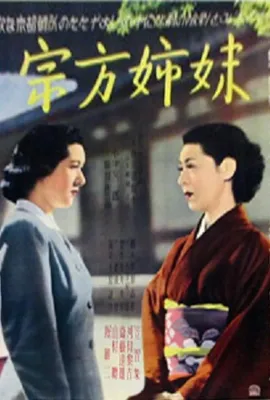
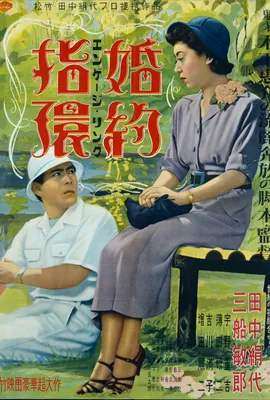
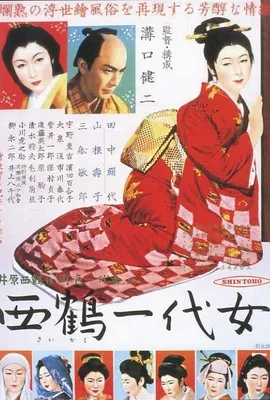
In 1949, Tanaka traveled to the United States as a cultural goodwill ambassador, meeting Hollywood figures like Bette Davis and Joan Crawford. Returning in 1950, she appeared in Ozu Yasujirô’s The Munekata Sisters and Kinoshita Keisuke’s Wedding Ring, though neither was a domestic success at the time. She recovered her standing in 1952 starring as the lead in Mizoguchi’s Life of Oharu, which secured the International Prize at the Venice Film Festival.
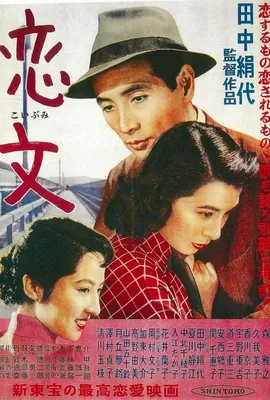
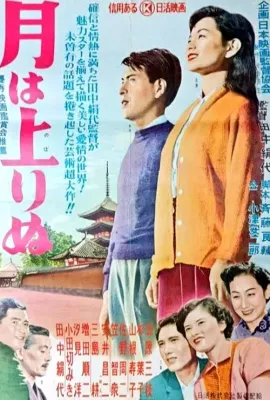
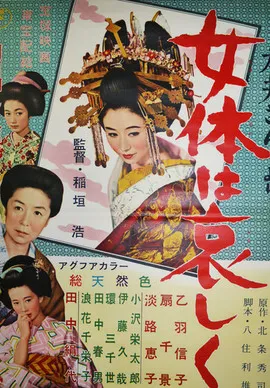
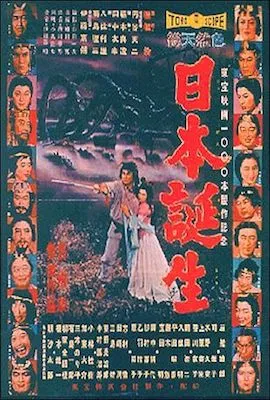
Frustrated by the limitations placed upon actresses, Tanaka pivoted to directing, helming her first film, Love Letter, in 1953 (becoming the second female director in Japanese history). When developing her second feature, The Moon Has Risen (1955), she encountered resistance from Mizoguchi who, as president of the Directors Guild, attempted to block her appointment as director. Tanaka finished the film, but the confrontation ended her creative relationship with Mizoguchi. Throughout the 1950s and 60s she directed several more acclaimed films focusing heavily on female protagonists. Her single venture into the tokusatsu space was a supporting role as Princess Yamato in Inagaki Hiroshi’s mythological epic The Three Treasures (1959).
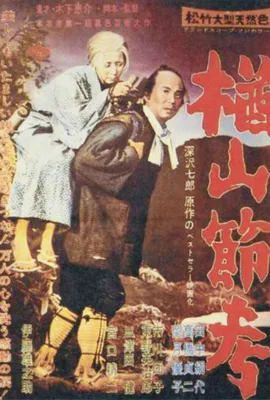
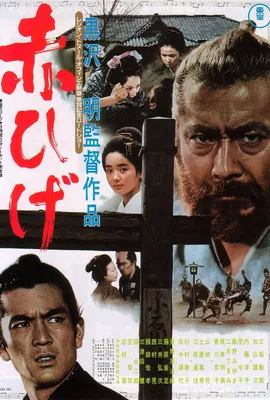
Tanaka won a Best Actress award from Kinema Junpo for her performance in Kinoshita Keisuke’s The Ballad of Narayama (1958). After appearing in Kurosawa Akira’s Red Beard (1965), she retired from acting to care for her brother, who suffered from Parkinson’s disease. She was awarded the Medal of Honor with Purple Ribbon in 1970 for her contributions to the arts. Tanaka passed away from a brain tumor in 1977 at age sixty-seven, and was posthumously honored with the Order of the Sacred Treasure, 3rd Class.