Original Story
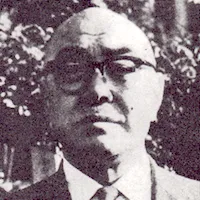
Shimozawa Kan was an incredibly prolific author of Japanese historical fiction and essays, best known for creating the iconic character of Zatôichi.
Shimozawa’s grandfather fought in, and was taken prisoner during, the tumultuous Boshin War in the late 1860s. When Shimozawa was old enough, he had a falling out with his mother and was raised by his grandfather instead. He first tried to become a lawyer, but after encountering some setbacks, he found work at timber and utility companies. He finally landed a position at the Yomiuri Shimbun newspaper in 1919, which served as his first major exposure to journalism and professional writing.
In 1926, he moved to the Tokyo Nichi Shimbun, where he helped compile and edit an account of the Boshin War. This became the first entry in his well-regarded “Shinsengumi Trilogy,” which firmly established his reputation as a writer of historical narratives.
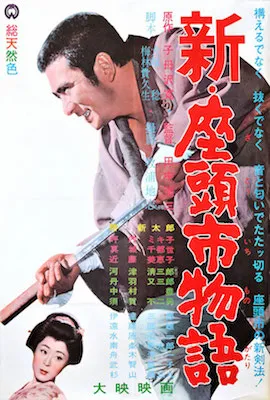
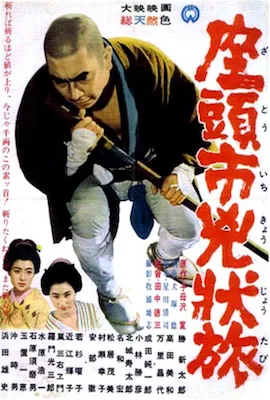
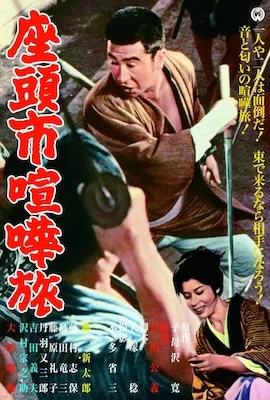
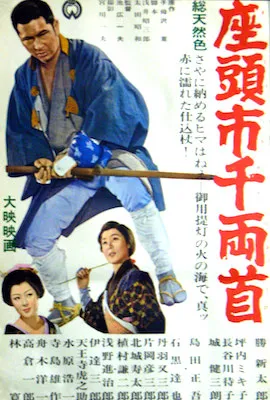
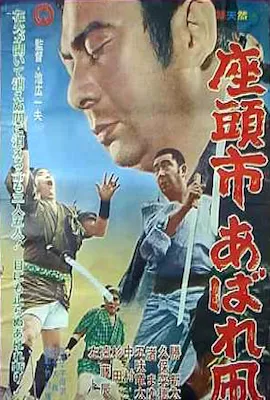
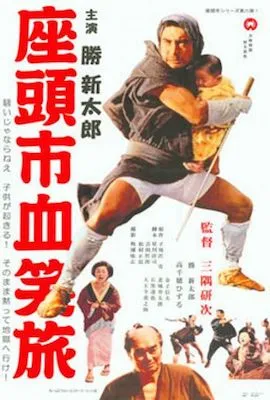
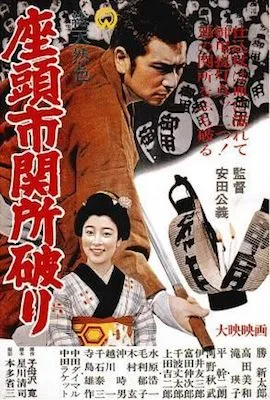
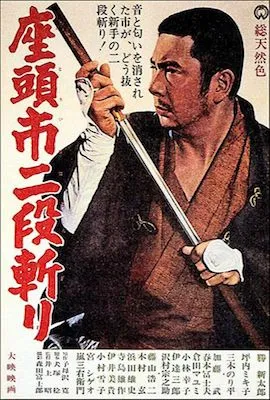
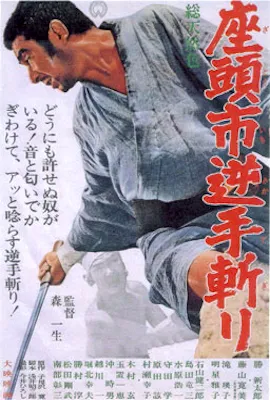
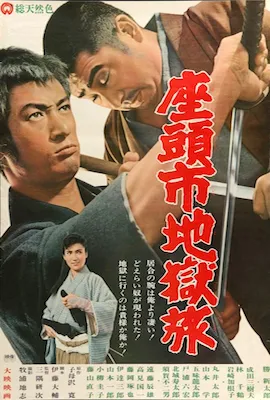
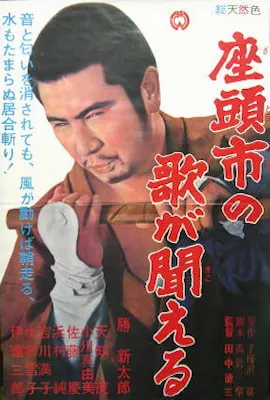
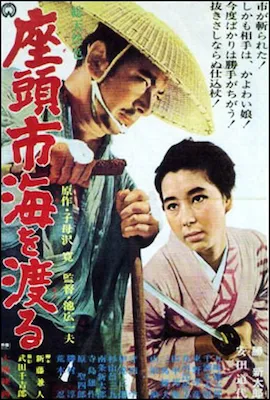
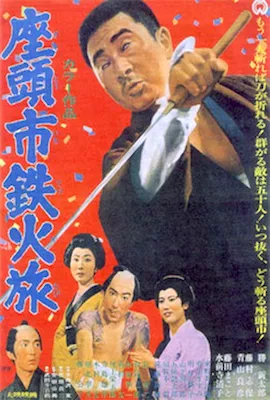
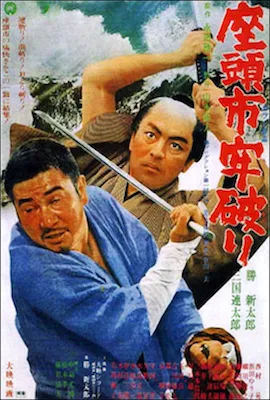
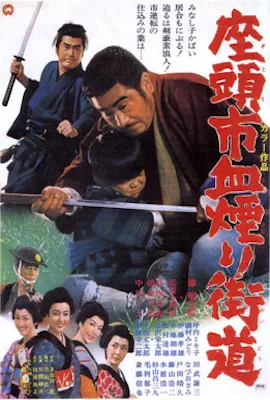
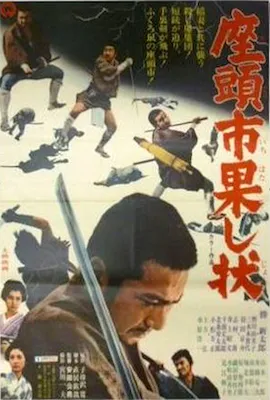
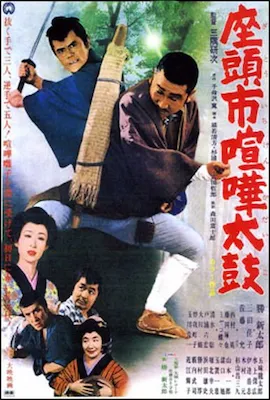
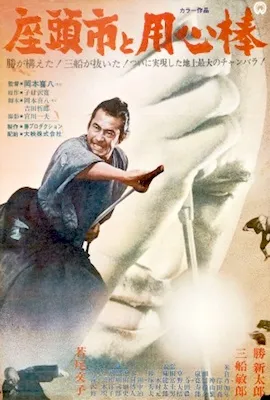
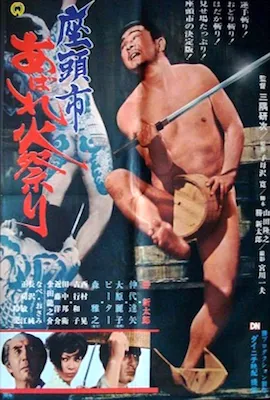
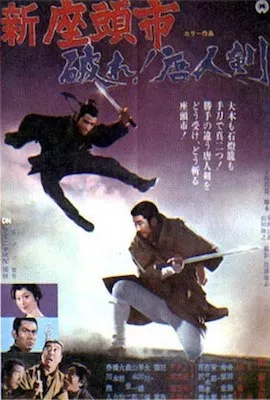
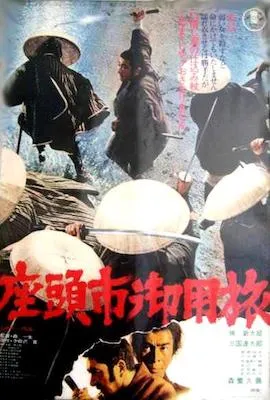
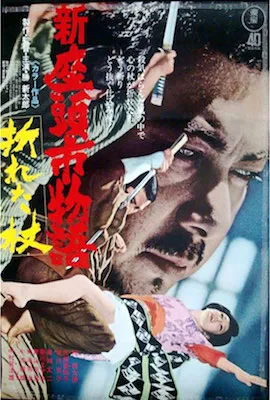
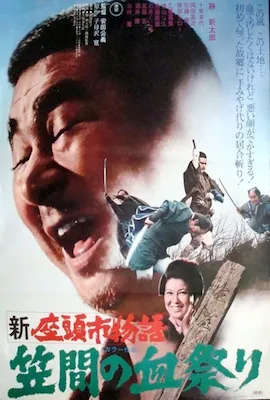
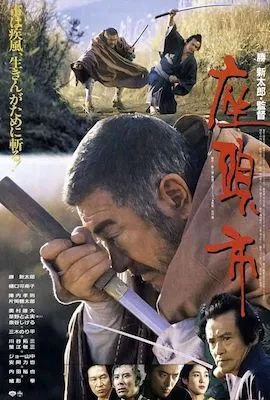
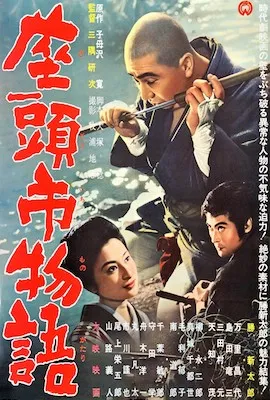
Shimozawa is best recognized globally for penning an innocuous short story in 1948, The Tale of Zatoichi (part of his Futokoro Techō serialized essay series). The brief story featured a blind, itinerant masseuse and master swordsman named Zatôichi. This minor, mythological character would subsequently be developed for the screen and immortalized by actor Katsu Shintarô starting in 1962, spinning off into a massive, legendary 26-film franchise and long-running television series. Shimozawa received a “based on a story by” credit on each cinematic entry.
Shimozawa continued writing historical fiction prolifically right up until his death from a myocardial infarction in 1968.