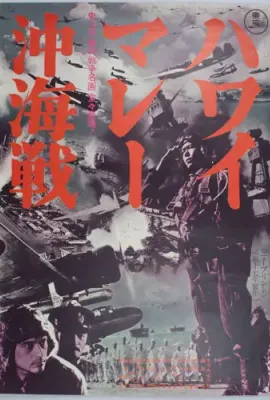
The War at Sea from Hawaii to Malaya
SFX Supervisor
SFX Photography
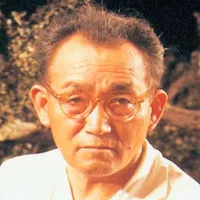
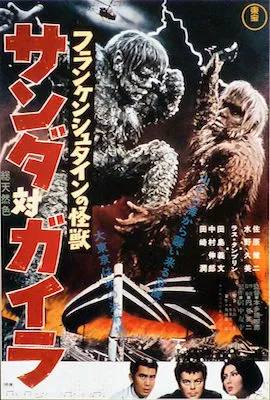
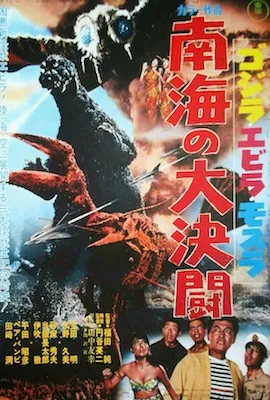
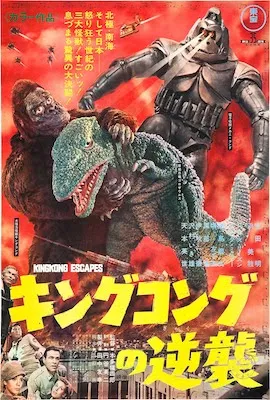
Tsuburaya Eiji was a pioneer in Japanese cinema, recognized as a cameraman, director, inventor, and special effects creator who nurtured the kaiju eiga genre. He is widely credited with co-creating two of Japan’s most recognizable pop-culture properties: Godzilla and Ultraman. He was the first person at Toho to bear the title “Director of Special Effects.”
Tsuburaya originally aspired to be a pilot, but his local flight school closed down. A self-taught tinkerer, he spent his youth reverse-engineering devices, particularly film cameras. In 1920, Tsuburaya joined Kunikatsu Sugamo Studios to work in aerial photography, eventually transferring to camera work.
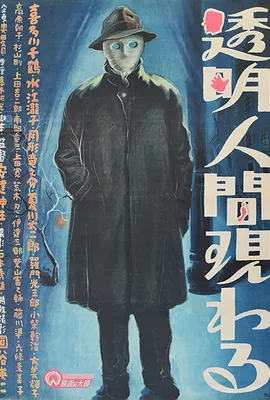
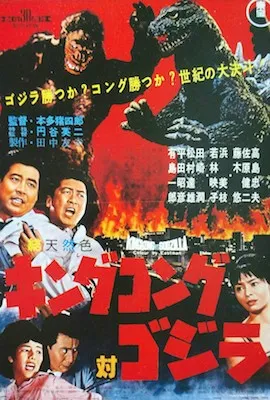
By the late 1920s, he had moved to the Kyoto branch of Shochiku studios, experimenting with camera techniques like cranes and iris fades. Tsuburaya also began using background miniatures to provide depth to shooting sets on a budget. After viewing the original release of King Kong (1933) while at Nikkatsu studios, he was inspired to pursue special effects full-time.
Joining Toho Studios in 1937, Tsuburaya was assigned to “special photography,” utilizing miniature planes and ships for wartime propaganda films. His work in films like The War at Sea from Hawaii to Malaya (1942) gained significant attention for its realistic miniature battles. Throughout this period, he gathered a core group of cameramen and technicians who would remain with him for his entire career. Following World War II, Tsuburaya was briefly expelled from Toho during the Allied occupation due to his propaganda work. He spent this time consulting for other studios and establishing his own independent laboratory, where he designed Toho’s iconic opening logo.
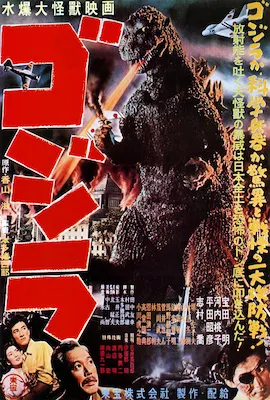
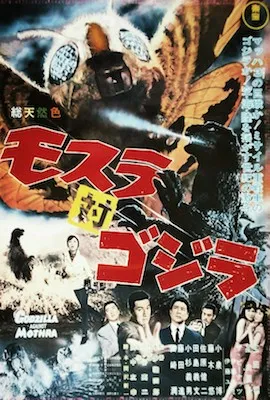
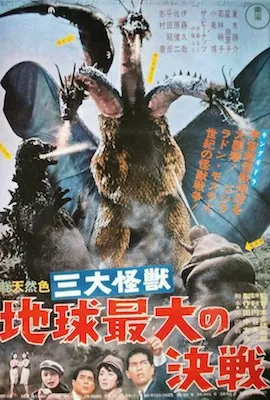
Tsuburaya returned to Toho in 1952. The next year, he was tapped to provide special effects for Godzilla (1954). Initially hoping to use stop-motion animation, budgetary and time constraints led him to pioneer “suitmation”—an actor in a full-body costume moving on a miniature set. The resulting film was a massive success, birthing a new genre that would define Tsuburaya’s career.
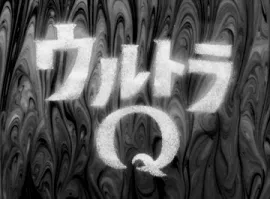
While continuing his work at Toho, Tsuburaya established Tsuburaya Productions, an independent company that launched a massive televised kaiju boom in 1966 with Ultra Q and Ultraman. Tsuburaya remained a well-regarded figure within the industry, affectionately referred to as “The Old Man” by his staff. He was known for crafting his films with children in mind, and avoided excessive monster violence in his work.
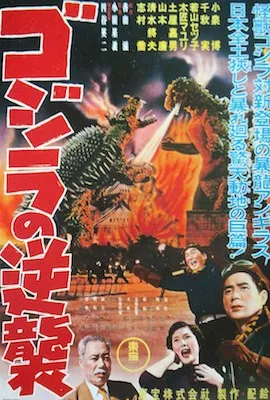
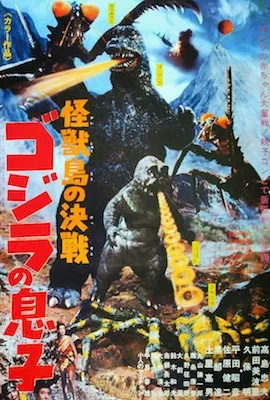
Due to declining health, Tsuburaya took a less active role in his later films, with Godzilla’s Revenge (1969) marking his final work. He passed away in January 1970. Shortly after his death, he was posthumously awarded the Order of the Sacred Treasure, 4th Class, and Toho officially dissolved its dedicated Special Effects division. Tsuburaya’s techniques and influence remain a cornerstone of Japanese special effects cinema to this day.